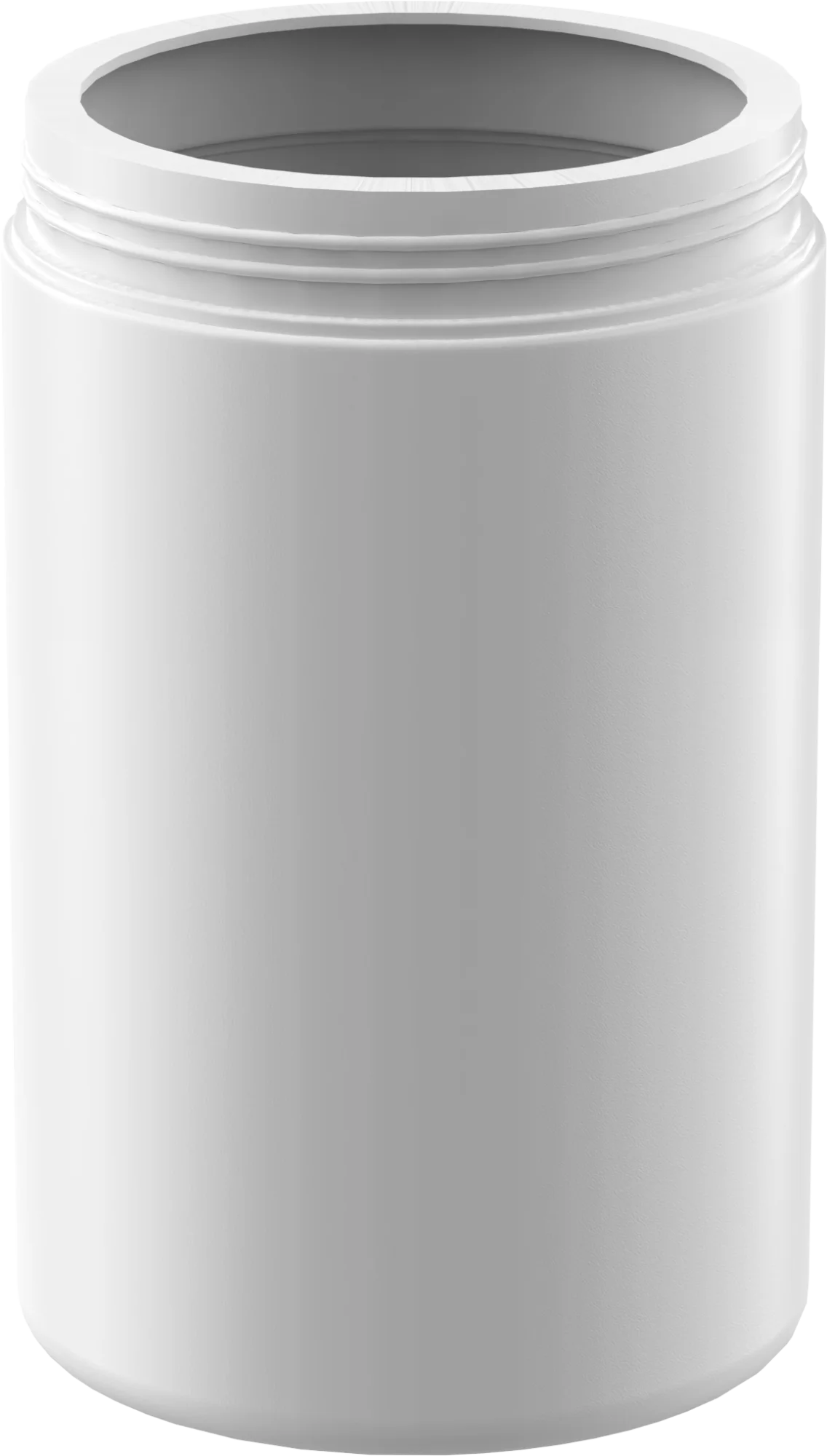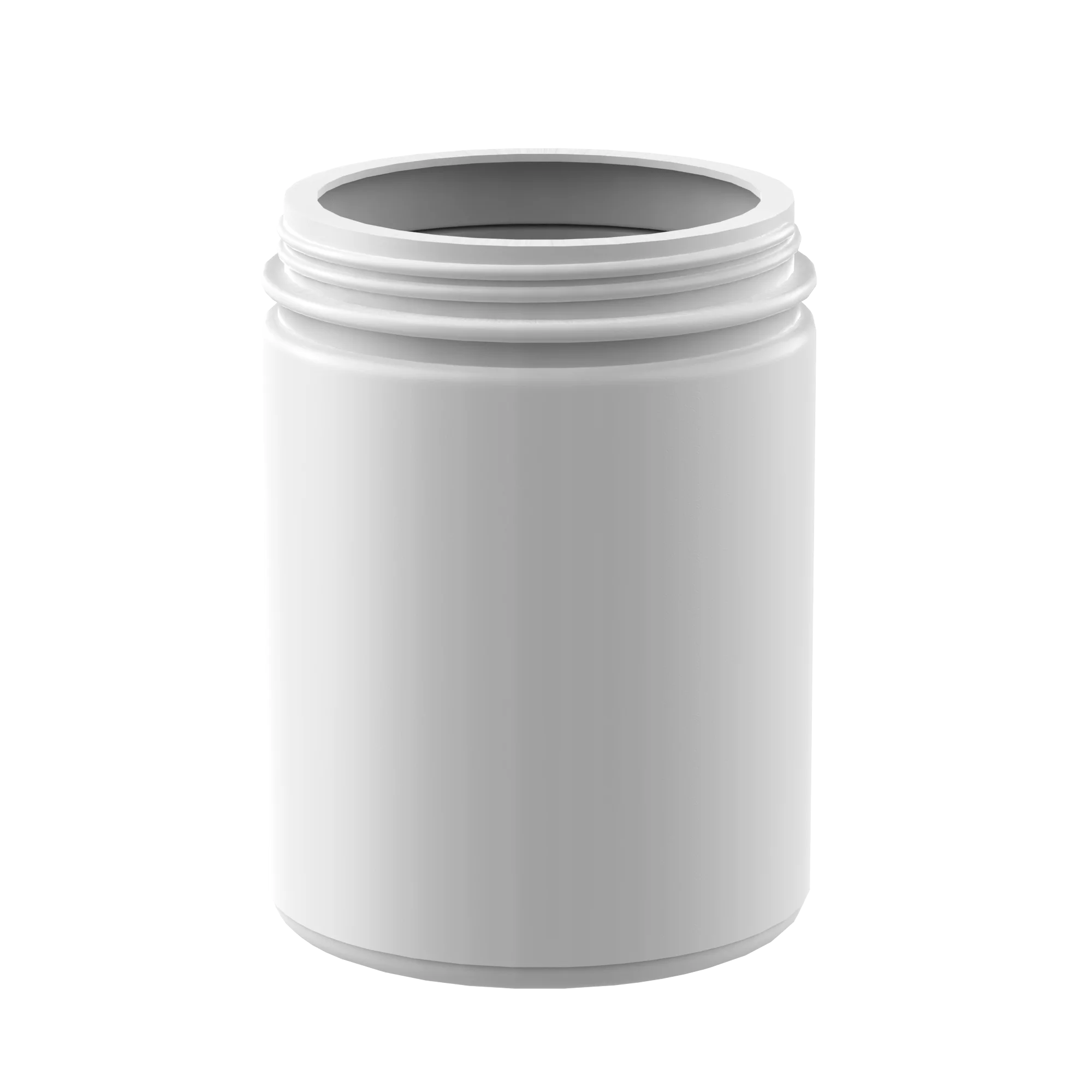

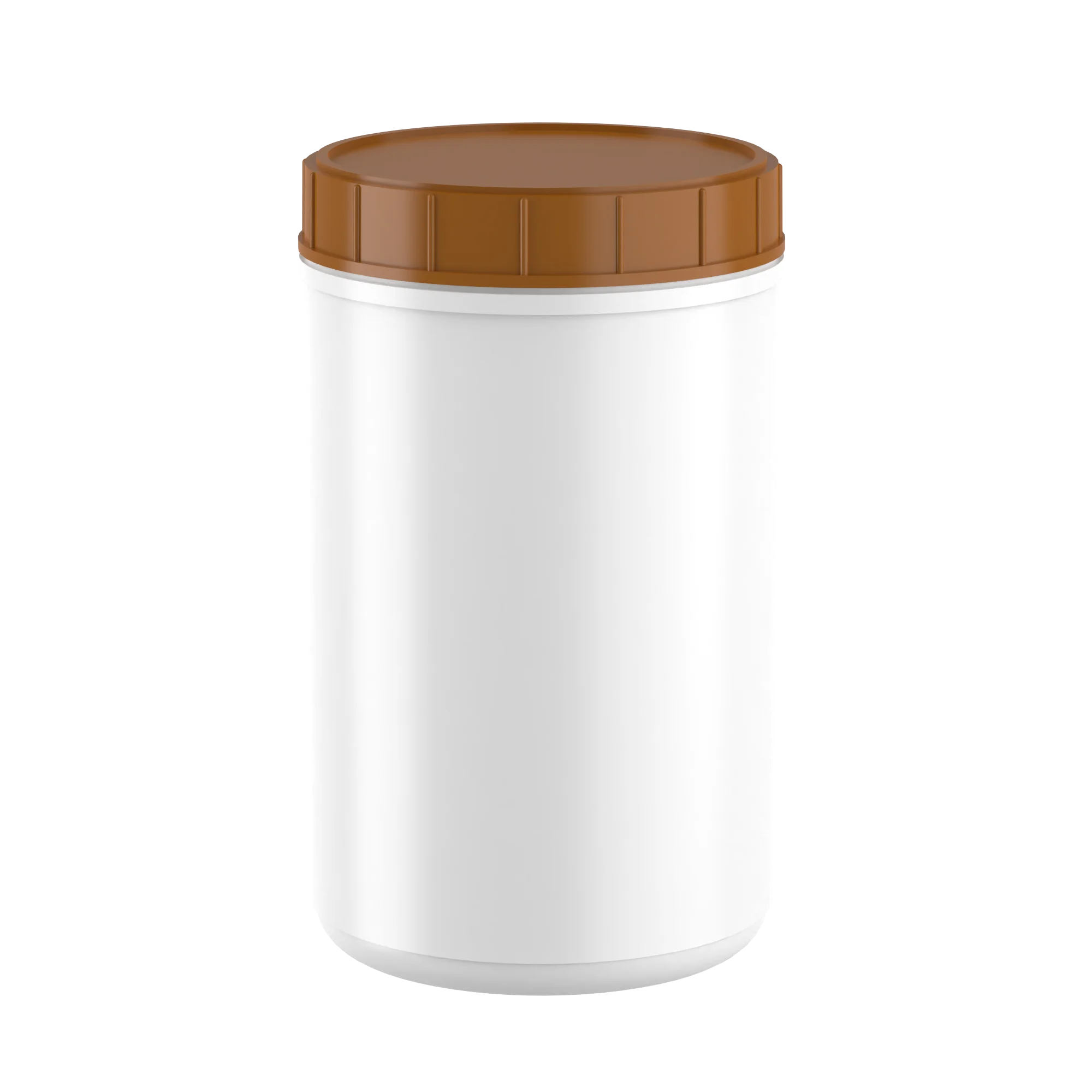
1000 ml (1 L) Cylindrical Jar — A professional packaging solution produced from HDPE (High-Density Polyethylene - Code 2), 100% BPA-free and suitable for food contact.
- Volume / Capacity
- 1000 ml
- Material & Resin Code
- HDPE (High-Density Polyethylene - Code 2)
- Manufacturing Method
- Blow Molding
- Neck / Closure Diameter
- 100 mm
- 100% BPA-Free
- Food Contact Approved (EU 10/2011 & FDA)
- Custom Logo Printing (Private Label / OEM)
- Unprinted / Neutral
- 100% Recyclable
Product Specifications
- Volume / Capacity
- 1000 ml
- Material & Resin Code
- HDPE (High-Density Polyethylene - Code 2)
- Manufacturing Method
- Blow Molding
- Neck / Closure Diameter
- 100 mm
- Body Shape & Series
- Straight Cylindrical
- Closure & Lock Type
- Standard Screw Cap
- Surface Texture
- Smooth Glossy Finish
- Color Option
- Opaque White
Compliance
- 100% BPA-Free
- Food Contact Approved (EU 10/2011 & FDA)
- Custom Logo Printing (Private Label / OEM)
- Unprinted / Neutral
- 100% Recyclable
Technical Specifications
| Nominal Volume | 1000 ml (1 L) ml / cc |
|---|---|
| Body Raw Material | HDPE (High-Density Polyethylene - Code 2) |
| Neck Diameter | 100 mm mm |
| Closure & Sealing Type | Standard Screw Cap |
| Manufacturing Process | Blow Molding |
| Food & Pharma Compliance | 100% BPA-Free |
Product Description

Consider volume, material and appearance together
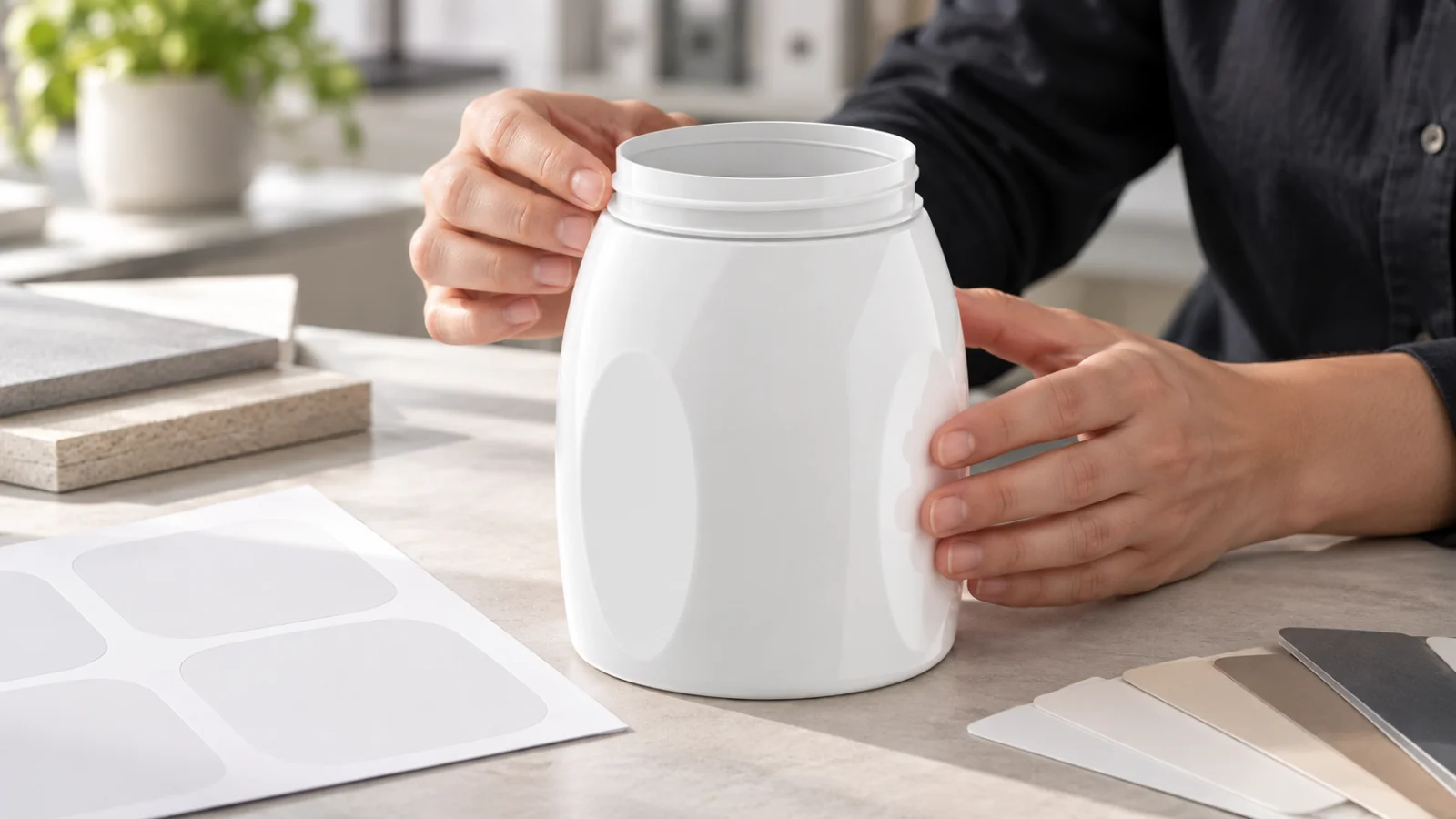
The catalogue volume is 1000 ml, or one litre. The cylindrical body and wide mouth create a practical form for transferring dry contents at a filling line or small production table. Actual fill weight must be measured with the product’s density and necessary headspace in a sample.
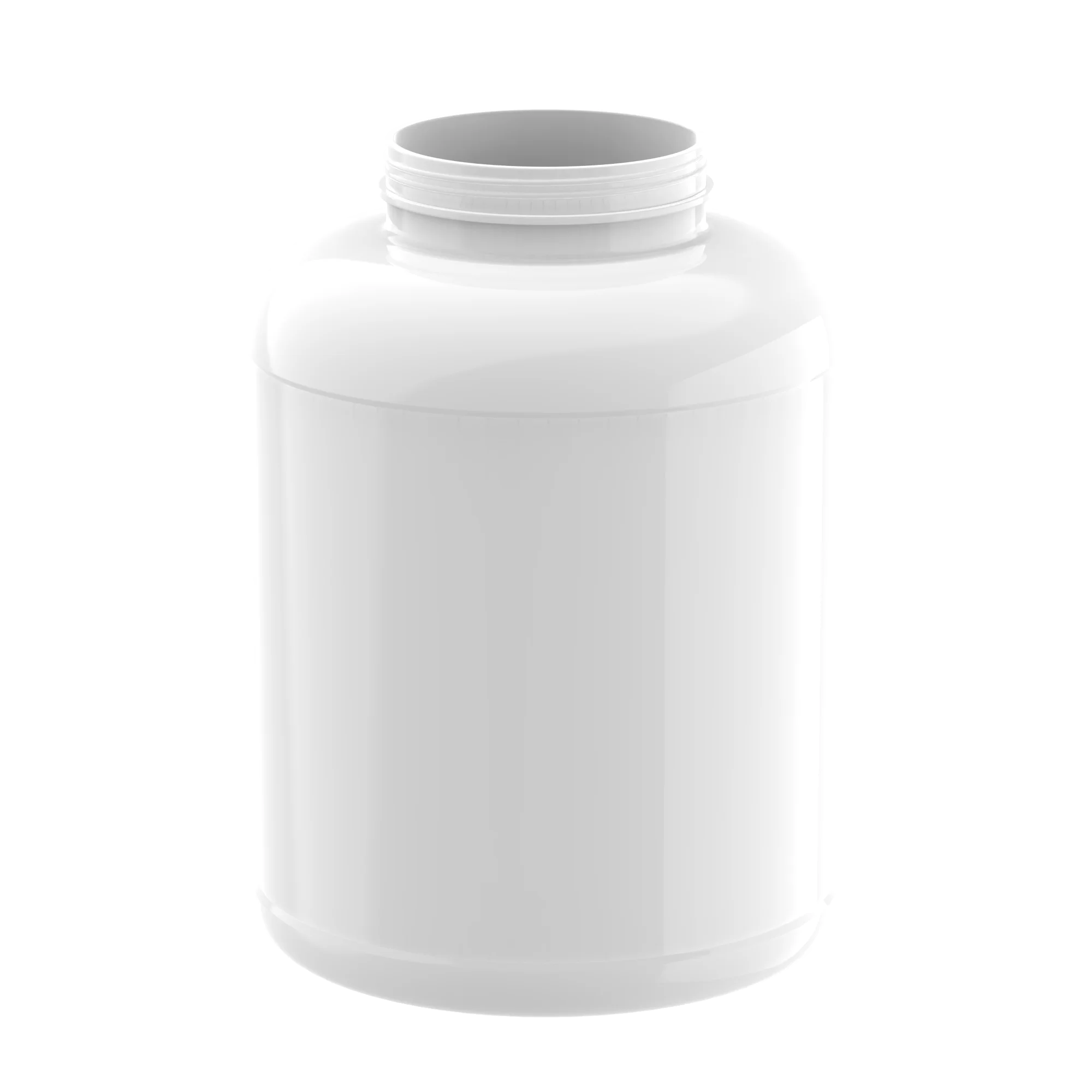
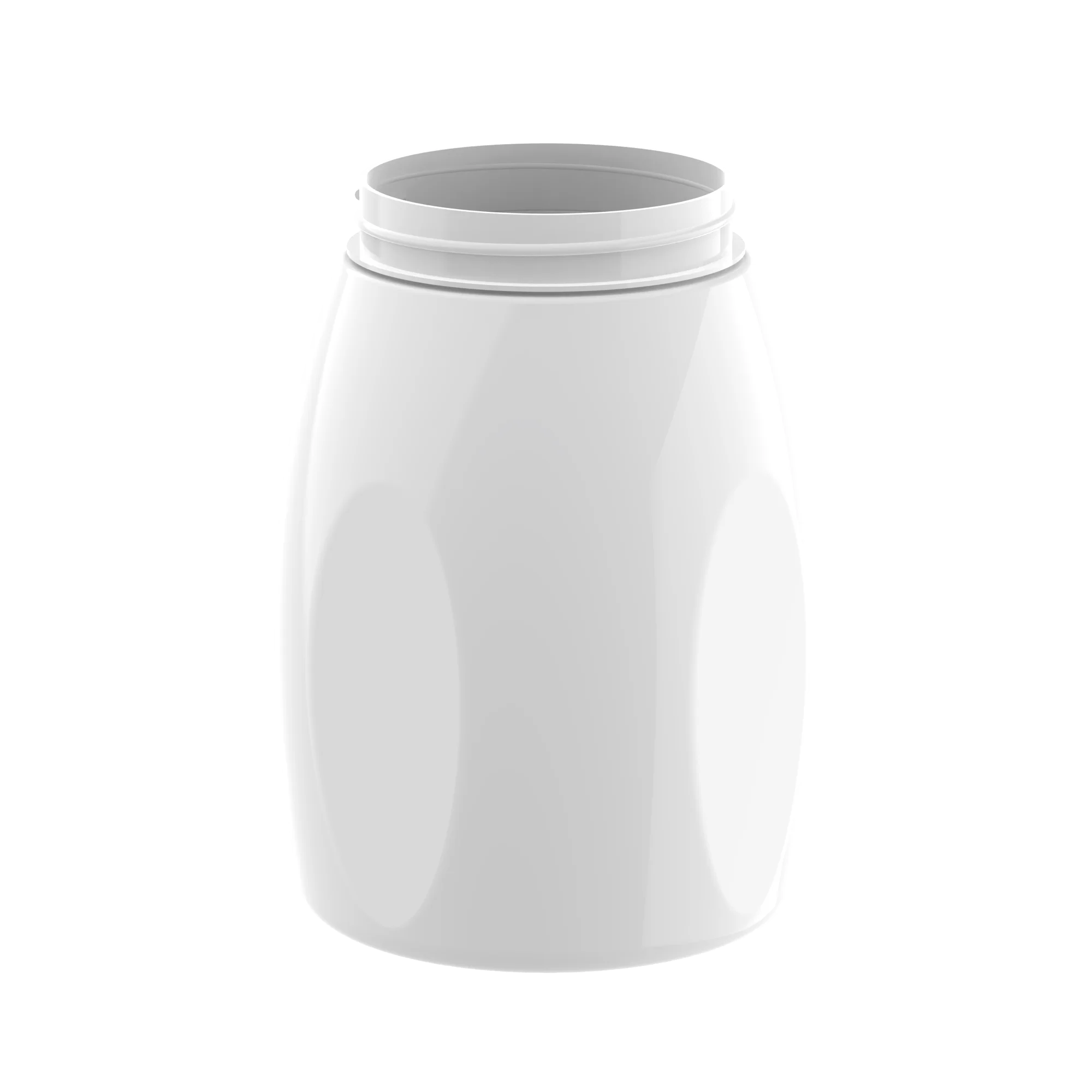
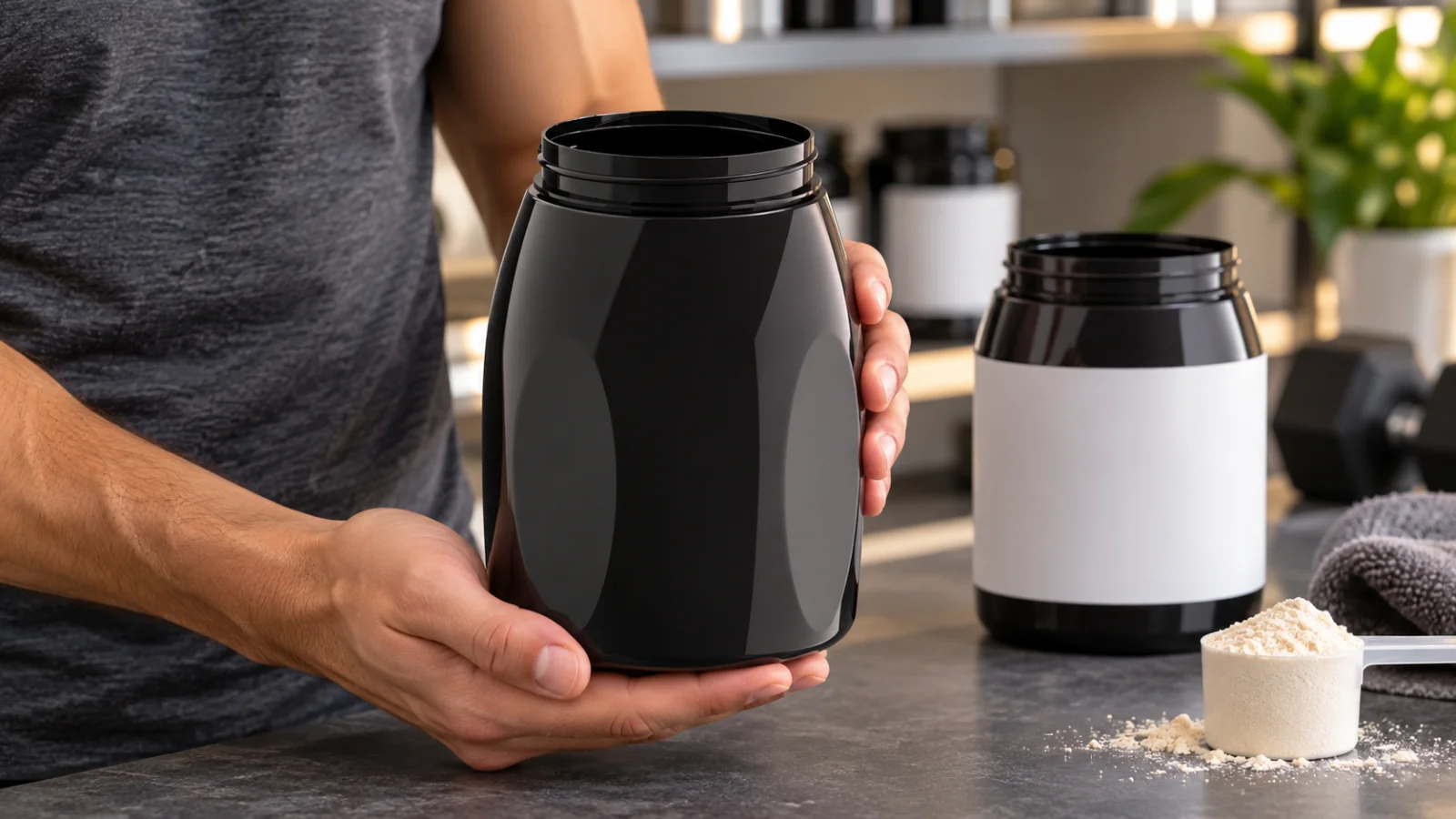
The gallery shows opaque white, red, black and clear bodies. The product colour filter marks opaque white; confirm availability of other pictured appearances in the quotation. Review label or print area at the scale of your own artwork on a physical sample.

HDPE code 2 and a 100 mm opening
The body is blow moulded from high-density polyethylene, HDPE plastic code 2. The product record states BPA-free and suitable for food contact; EU 10/2011 and FDA appear in filters. Request declarations and compatibility documents according to your target market.
The neck diameter is 100 mm and the closure type is a standard screw cap. Gallery bodies are pictured without caps; do not assume cap colour, liner, induction seal or tamper band. Specify the complete pack by sample and quotation. A smooth glossy finish and recyclability are also listed.

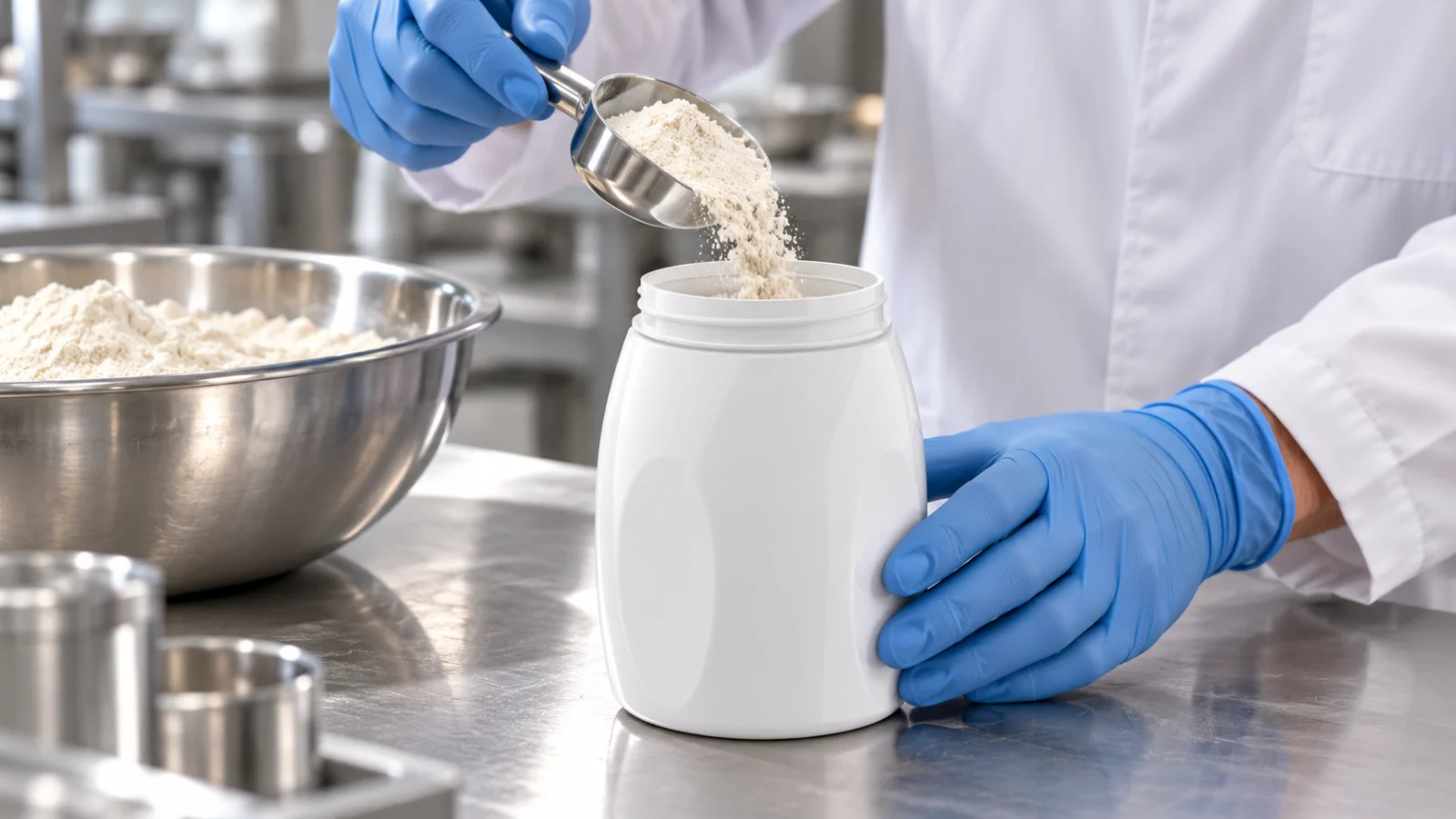
Accessible opening for powdered-product filling
The white jar is a clean starting point for filling food supplements or other suitable dry powders. As material enters the wide mouth, test spill allowance, target net weight and space under the closure with your actual product. One litre of nominal volume does not mean one kilogram of fill.
After filling, plan label, lot information, closure and any additional seal separately. Product-specific testing is needed before making shelf-life or moisture-barrier claims for the finished pack.
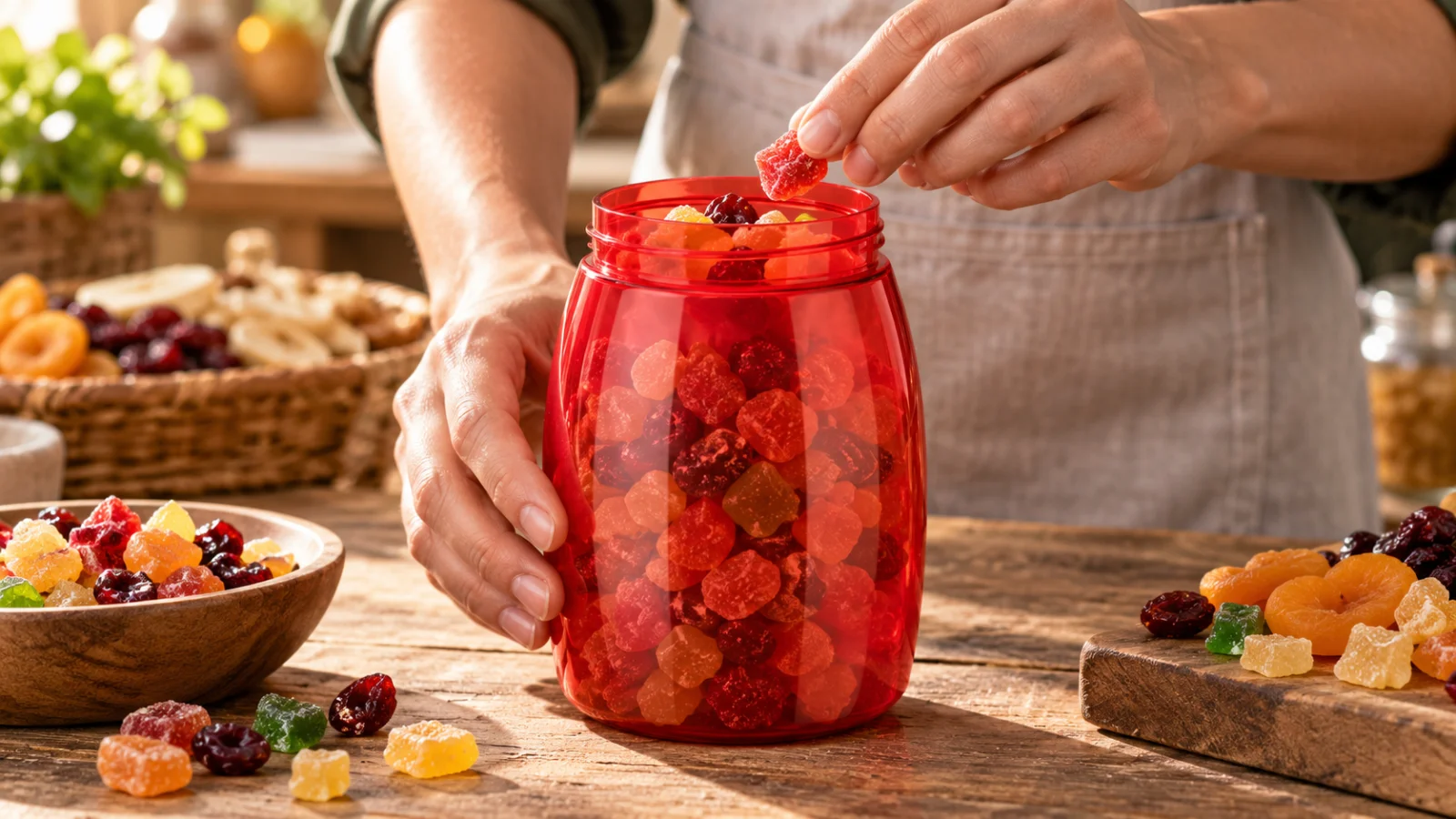
Present dry foods in the red gallery variant
The red body can create a distinctive sample presentation for suitable dried fruit pieces or confectionery. Its 100 mm mouth offers broad access during filling and consumer use. Food safety, traceability and label particulars are established by the filling brand’s process.
Confirm whether the red appearance is available for production orders. If colour coding several SKUs, sample body colour, print and closure together.


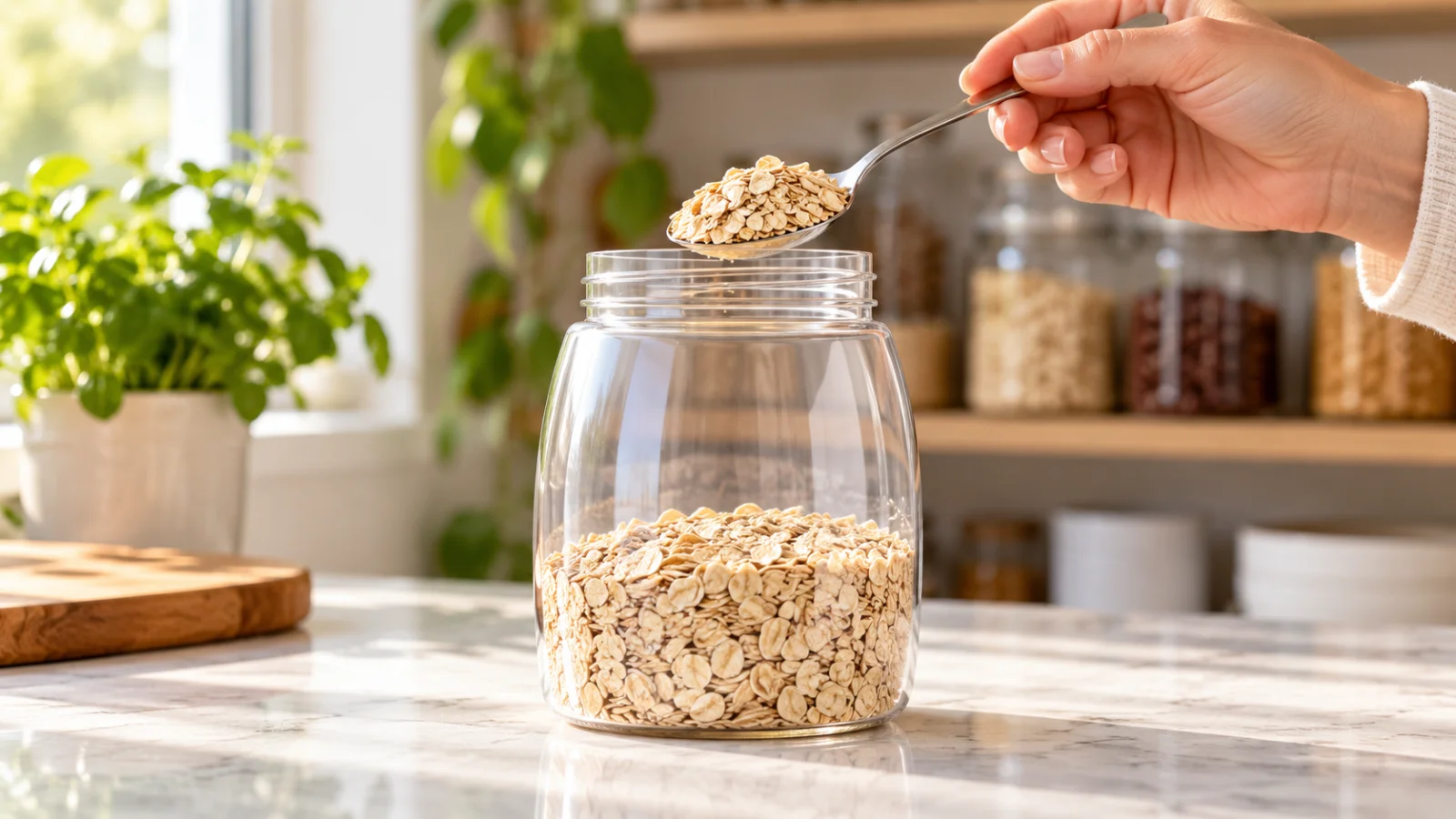
Clear body shows dry ingredients in the kitchen
The clear gallery version lets someone see the level of dry food such as oats. On a kitchen shelf, the broad opening supports scooping a portion and seeing what remains. Storage duration depends on the food’s packaging and hygiene requirements.
This scene introduces a pictured appearance; confirm orderability and the final look with its closure on a sample. Assess content visibility together with the area your brand label will cover.
Three packaging settings

Powder filling
White one-litre body and 100 mm opening are a basis for measuring the target net fill on samples.

Dry-food sample
A red body changes product presentation; confirm its production availability.

Visible pantry contents
Dry oats can be seen in a clear body; the food determines storage conditions.
Choose the jar for a product range with samples
White, black and other gallery appearances help compare label artwork, logo placement and shelf consistency. A high-contrast label might suit black; white permits a different palette. Make these decisions on the actual printing surface and physical sample.
Minimum order is 2,500 pieces. Product filters list custom logo printing and neutral unprinted supply. Before ordering, test the fit of the selected standard screw cap for the 100 mm opening, any chosen sealing components and compatibility with your contents.

Four technical facts for your decision
1000 ml nominal volume
One-litre pack capacity; product density determines net weight.
100 mm neck
Broad access for filling, checking and use.
HDPE code 2
BPA-free body recorded as suitable for food contact.
Standard screw cap
Listed closure type; confirm component fit on a sample.
Frequently asked questions
Does one litre hold one kilogram?
1000 ml is volume. Net weight depends on the density and fill level of your product.
What is the body material?
HDPE, high-density polyethylene code 2. Product data states BPA-free and suitable for food contact.
What closure does it use?
The catalogue lists a 100 mm neck and standard screw cap. Specify cap components and fit on a sample.
Which colours are available?
White, red, black and clear appear in the gallery, while the filter lists opaque white. Confirm orderable colours in your quotation.
What are minimum order and branding options?
Minimum 2,500 pieces; custom logo or neutral supply are listed in product filters.